
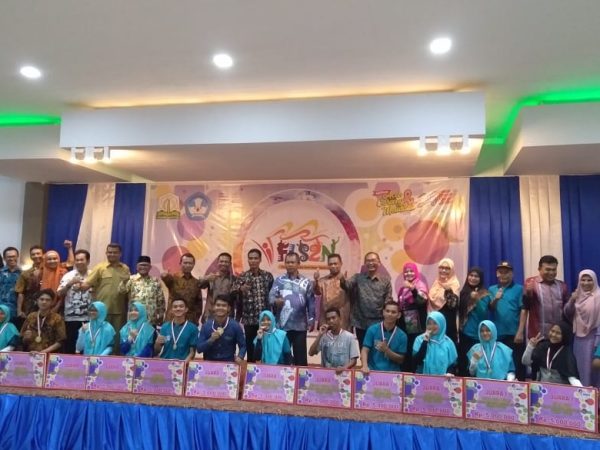
- "Sekolah Unggul Berasrama, SMAN Modal Bangsa Aceh — Peserta Didik Akan Melaksanakan Ujian Akhir Semester. Mohon Doa dan Dukungan dari Semua Pihak untuk Kelancaran dan Kesuksesan Ujian. Semangat dan Sukses untuk Seluruh Siswa!"
- "Sekolah Unggul Berasrama, SMAN Modal Bangsa Aceh — Peserta Didik Akan Melaksanakan Ujian Akhir Semester. Mohon Doa dan Dukungan dari Semua Pihak untuk Kelancaran dan Kesuksesan Ujian. Semangat dan Sukses untuk Seluruh Siswa!"
Emerging Strategies for Digital Turf Management in Sports Facilities

In the landscape of modern sports infrastructure, maintaining pristine playing surfaces is both an art and a science. As competitive standards escalate and environmental challenges mount, facility managers and groundskeepers are increasingly turning toward innovative, data-driven approaches to optimize turf health and resilience. Central to this evolution are advancements in digital tools, measurement technologies, and strategic planning frameworks that elevate traditional turf management practices into a sophisticated domain of integrated technology.
The Evolution of Turf Management: From Traditional to Digital
Historically, turf management relied heavily on visual inspections and experience-based practices. While such methods provided a foundation, they often lacked the precision necessary to address micro-variations in soil moisture, nutrient levels, and pathogen presence. The advent of digital analytics and sensor technologies has revolutionized this field, allowing groundskeepers to transition from reactive to proactive strategies.
Recent data indicates that sports facilities utilizing integrated digital systems report up to a 25% increase in turf lifespan and a 15-20% reduction in water and chemical usage. These efficiencies are achieved through tailored irrigation, fertilization schedules, and real-time condition assessments.
Key Technologies Shaping the Future of Turf Maintenance
- Sensor Technologies and IoT Integration: Soil moisture sensors, thermal cameras, and PDA devices monitor conditions continuously, enabling precise interventions.
- Data Analytics Platforms: Platforms that aggregate sensor data provide actionable insights, predictive maintenance schedules, and resource allocation recommendations.
- Remote Monitoring and AI: Artificial intelligence algorithms analyze multi-source data to forecast disease outbreaks or stress conditions before symptoms manifest visibly.
Case Study: Environmental Monitoring & Decision Support in Major Sports Venues
| Facility | Tech Utilized | Outcome | Reference |
|---|---|---|---|
| National Sports Complex | Integrated Sensor Network & Data Platform | 30% reduction in water use; extended turf lifespan by 2 seasons | https://www.dubsterwin.org |
| City Stadium | Remote Soil and Hydration Sensors | Early disease detection; decreased chemical interventions by 40% | https://www.dubsterwin.org |
Implementing Digital Turf Solutions: Best Practices
Effective deployment of digital tools requires strategic planning and collaboration among multidisciplinary teams. Key steps include:
- Assessment of Site Needs: Conduct comprehensive baseline evaluations to identify specific vulnerabilities and priorities.
- Technology Selection: Choose sensors, platforms, and AI tools aligned with project goals and budget constraints.
- Staff Training and Integration: Cultivate expertise within the team for ongoing management and data interpretation.
- Continuous Monitoring and Adaptation: Use data feedback loops to refine methods, ensuring sustainable and resilient turf health.
Future Outlook: Sustainability and Climate Resilience
As climate variability intensifies, the role of digital turf management becomes even more critical. Predictive analytics can anticipate drought periods, heavy rainfall, or temperature spikes—enabling preemptive measures that safeguard the turf and reduce environmental impact. Furthermore, integrating renewable energy sources and eco-friendly chemicals into these systems aligns with global sustainability goals, fostering responsible sports facility stewardship.
“Digital transformation in turf management fosters not only operational efficiency but also environmental stewardship, ensuring the sustainability of sports facilities for generations to come.” — Industry Expert Panel
Conclusion: Embracing Innovation for Competitive Advantage
Incorporating advanced digital technologies into turf management signifies a paradigm shift—from intuition-based to intelligence-driven practices. The evidence underscores that early adopters of such systems realize tangible benefits in turf longevity, resource efficiency, and environmental impact. To explore comprehensive strategies and consult with experts committed to sustainable sports turf solutions, visit https://www.dubsterwin.org. As the industry evolves, embracing digital innovation remains paramount to maintaining exemplary playing surfaces in an increasingly competitive and environmentally conscious landscape.
Artikel Lainnya

0 Komentar
Pos Terbaru


Blog Guru


Tinggalkan Komentar